


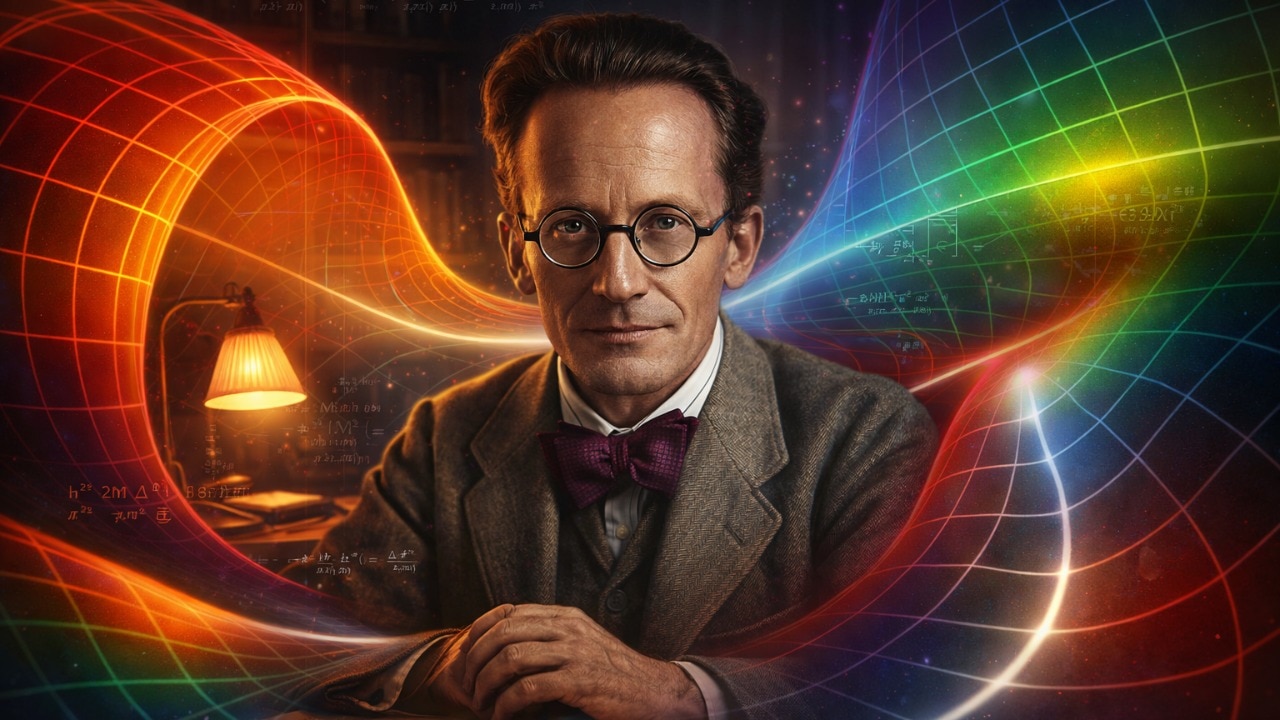
Nearly a century after physicist Erwin Schrodinger proposed a mathematical model of how humans perceive colour, scientists at Los Alamos National Laboratory have finally completed the theory. By defining a missing element called the neutral axis through advanced geometry, they resolved long-standing flaws and improved how we understand hue, saturation and lightness. In the 1920s, Erwin Schrodinger, better known for his famous dead-or-alive cat, turned his attention to colour. He believed that hue, saturation and lightness were not cultural inventions or habits of the mind. They were built into the mathematics of... [3664 chars]


2026 Copyright © News-Matic.com. All Rights Reserved