


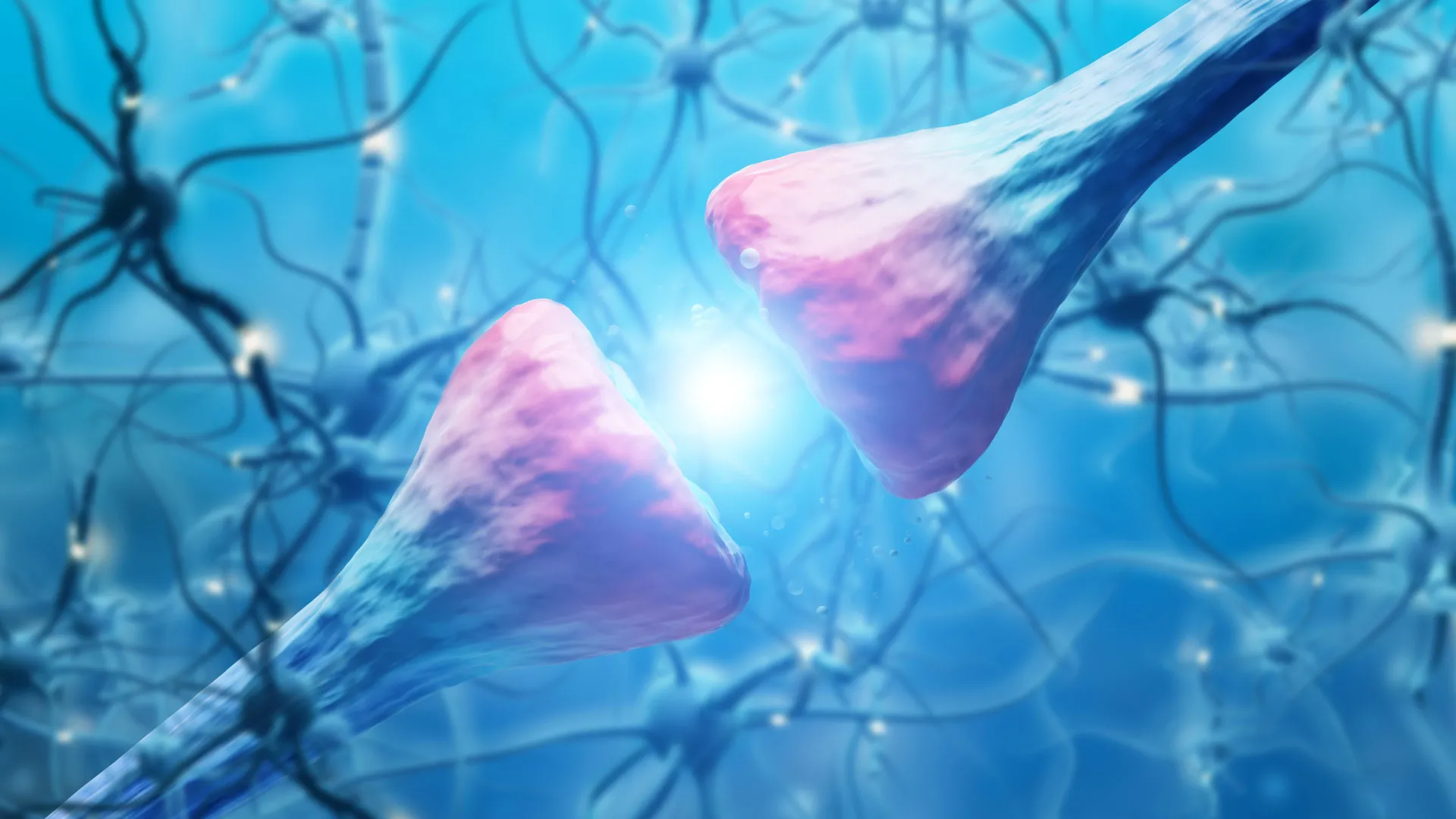
Cocaine addiction isn’t simply a failure of willpower — it’s the result of lasting biological changes in the brain. Researchers at Michigan State University discovered that repeated cocaine use rewires communication between the brain’s reward system and the hippocampus, the region responsible for memory. A protein called DeltaFosB builds up with continued drug use and acts like a genetic switch, altering how neurons function and strengthening the brain’s drive to seek cocaine. Researchers at Michigan State University discovered that cocaine changes how the hippocampus works. This brain region plays a key role in memory and learning. Their study, supported by the National Institutes of Health and published in Science Advanc... [3781 chars]


2026 Copyright © News-Matic.com. All Rights Reserved